
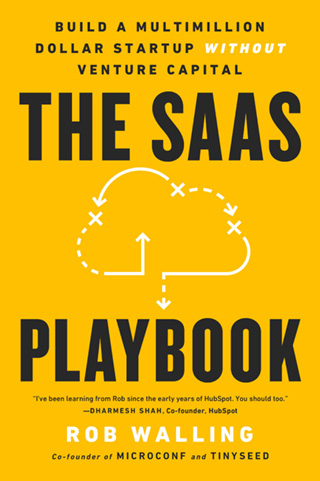
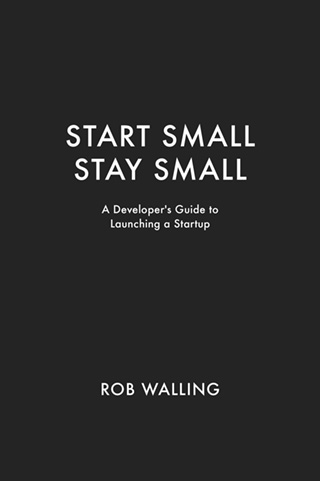
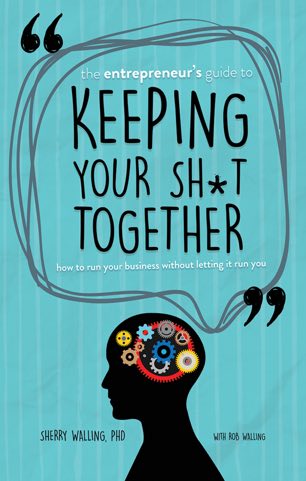
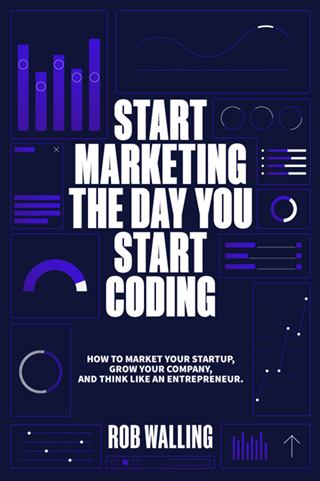
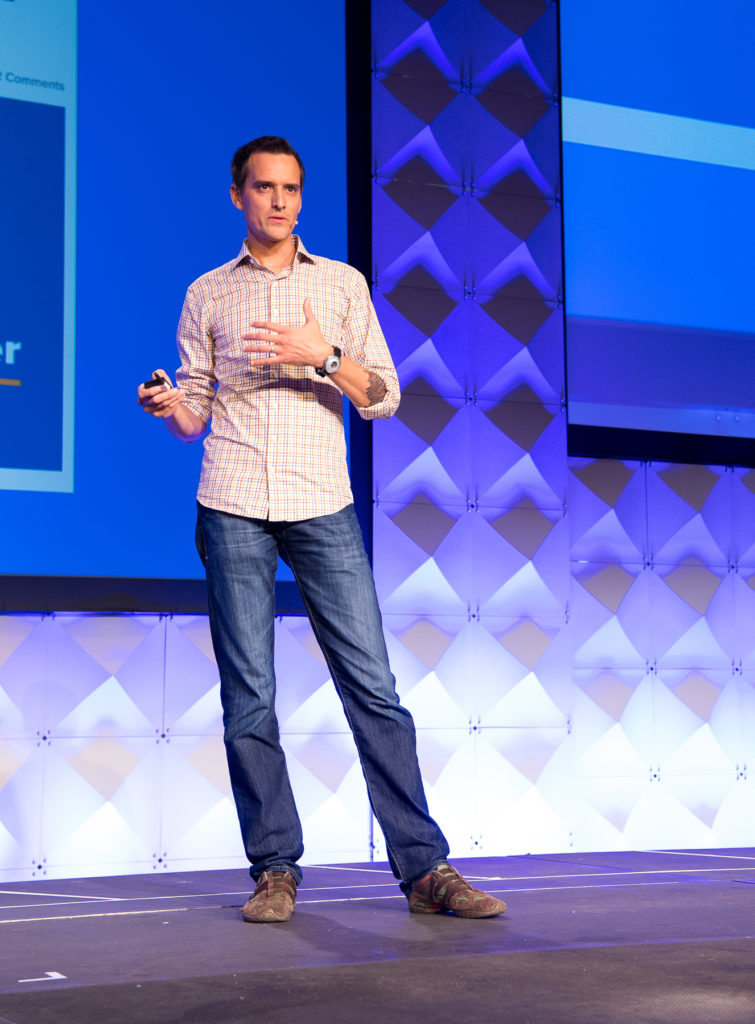
I've helped tens of thousands of startup founders through my books, podcasts, community, and essays.
Learn More

Books.
Three best-sellers. Tens of thousands sold. How to launch a startup, grow it, and stay sane in the process.
Podcasts.
More than 15 million downloads and 1,000 5-star ratings. Learn how to launch and grow your startup, with or without funding.
Startups for the
Rest of Us
The original (and most popular) podcast focused on non-venture track SaaS and the founders who build them.
Visit Website Listen on Apple
TinySeed Tales
Each highly-produced season follows the struggles and victories of an early-stage SaaS founder over many months.
Visit Website Listen on iTunesCommunity.
12 years. Thousands of founders. MicroConf is the original community for bootstrapped SaaS founders.
My most popular Microconf talks:
MicroConf EU 2023
Oct 1-3, 2023
Essays.
More than 100 essays about building, launching, growing, acquiring, and selling startups. Drawn from my experience in the trenches.